What Size Backflow Preventer Does Your Property Need?
Why Backflow Preventer Size Matters More Than You Think
If you've been told your property needs a backflow preventer — or you're replacing one that's already installed — one of the first questions that comes up is size. It sounds straightforward: match the device to the pipe and move on. But backflow preventer sizing is more involved than that, and getting it wrong in either direction can create real problems for your water system, your compliance status, and your wallet.
The size of a backflow prevention assembly affects water pressure, flow capacity, and whether the device can actually protect your drinking water the way it's supposed to. Choosing the right one isn't a DIY decision. It's something that should be confirmed by your local water utility, your plumbing code, and a qualified backflow professional.
Here's what property owners, managers, and small commercial operators should understand about the sizing process — and why it deserves more attention than it usually gets.
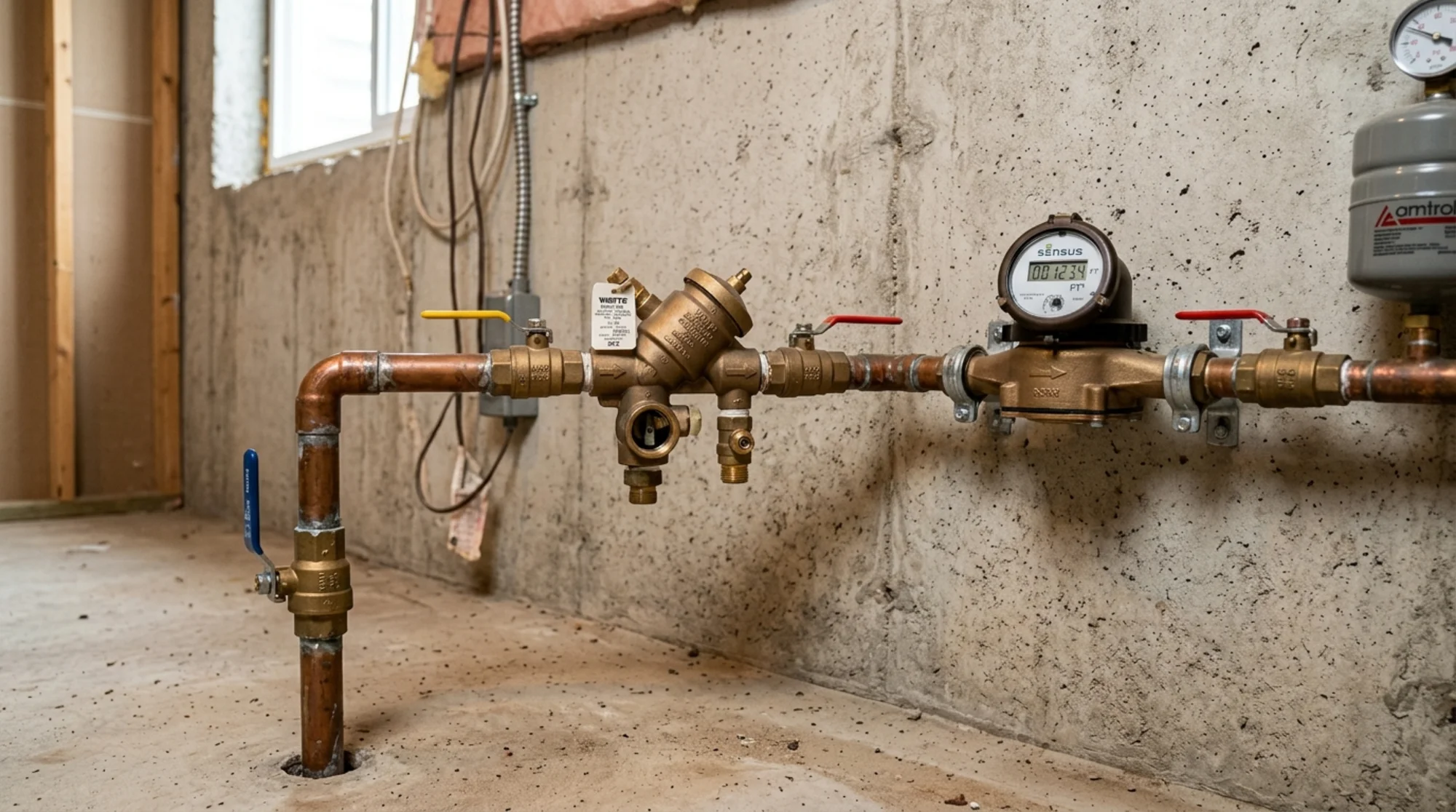 A residential water service entrance showing copper piping and a reduced pressure zone backflow preventer installed horizontally near a wall-mounted meter
The Factors That Drive Backflow Preventer Sizing
There's no single universal formula for selecting a backflow preventer size. The correct assembly depends on several factors that are specific to your property and your local water system. These typically include:
Service line size. The diameter of the water line entering your property sets a baseline, but it doesn't automatically dictate the device size. A 1-inch service line doesn't always mean a 1-inch backflow preventer is the right call.
Required flow rate. How much water does the property actually need to move at peak demand? A single-family home has very different flow requirements than a commercial kitchen or a building with a fire sprinkler system.
Hazard level. Cross-connection control programs classify connections by the degree of hazard they present. A high-hazard connection — such as a chemical feed system or a medical facility — may require a different assembly type and size than a low-hazard residential irrigation line.
Pressure loss through the device. Every backflow preventer creates some pressure drop as water passes through it. The amount varies by device type and size. If the assembly is too small, pressure loss can be excessive. If it's oversized, other problems emerge (more on that below).
Type of water line. Properties often have more than one water service. Domestic supply, landscape irrigation, and fire protection lines may each require separate backflow prevention assemblies, and each one may need a different size based on its own flow characteristics.
Your local water utility and applicable plumbing code will have specific requirements about which assembly types are acceptable and what documentation is needed before installation. In cities like Philadelphia, the water department maintains approved assembly lists and requires formal installation permits — you can see this reflected in the Philadelphia Water Department's backflow compliance program. Similarly, properties in Austin must comply with cross-connection control requirements set by Texas environmental regulators.
If you're unfamiliar with the different types of assemblies and what makes one "testable," our guide on what a testable backflow preventer is covers the basics.
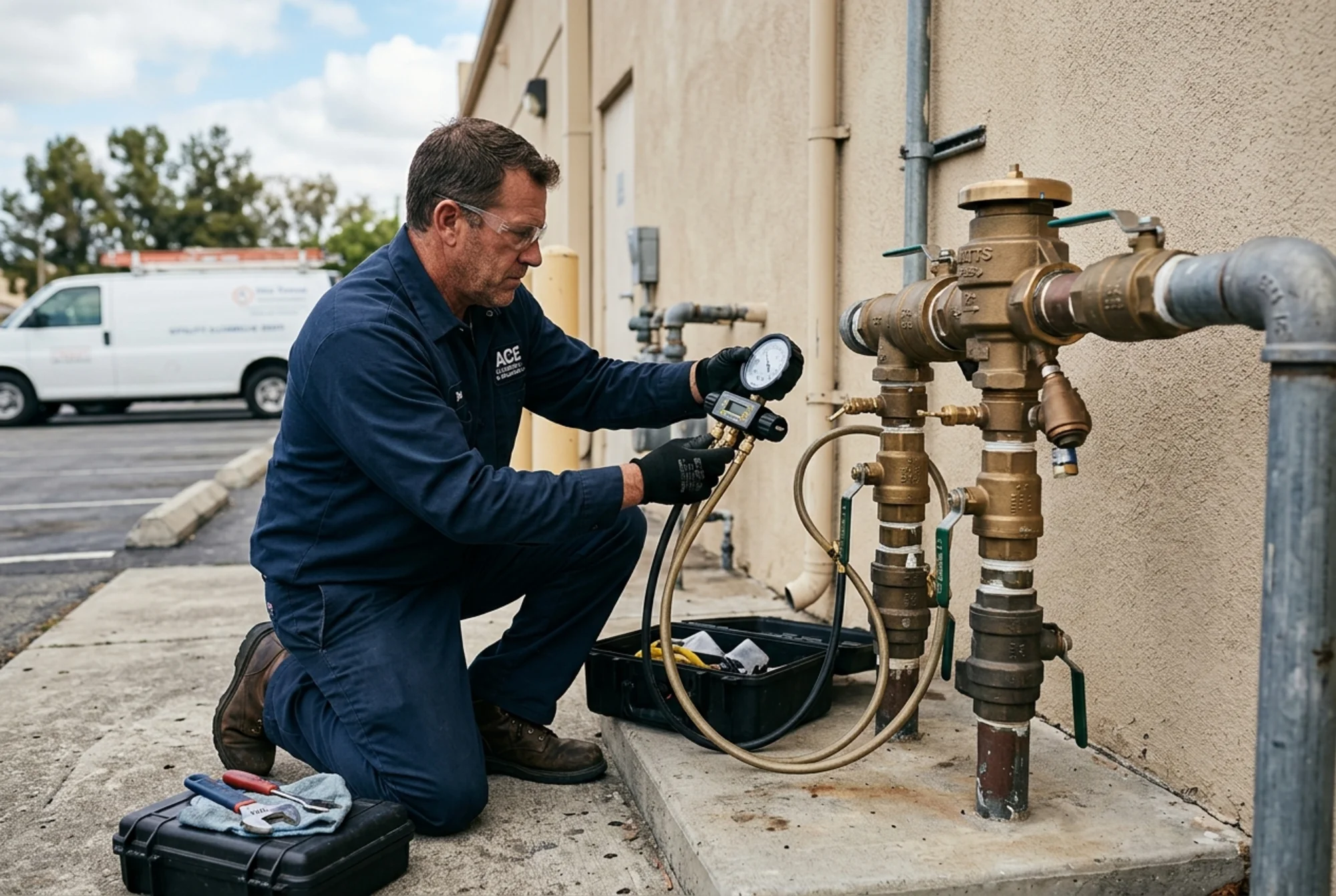
A plumber using a pressure gauge and flow measurement tool to evaluate water pressure at an outdoor commercial backflow preventer test station
Why Undersizing Is a Problem
An undersized backflow preventer restricts water flow. Think of it like forcing a large volume of water through a pipe that's too narrow — pressure drops, flow slows down, and fixtures throughout the property may not get the water they need.
For a homeowner, this might show up as weak water pressure at faucets or showerheads. For a commercial property, it could mean fire suppression systems that can't deliver adequate flow, irrigation zones that won't run properly, or process equipment that doesn't operate within specifications.
Beyond comfort and function, an undersized device may also experience higher velocity water flow through its internal components. Over time, this can accelerate wear on check valves, seals, and relief valves, leading to more frequent repairs and shorter device life. If the assembly can't maintain proper operation, it may fail a required annual test — and a failed test means the device isn't protecting the water supply.
For more on installation considerations that affect performance and compliance, see our article on backflow preventer installation requirements.
Why Oversizing Is Also a Problem
It's tempting to think that going bigger is always safer, but oversizing a backflow preventer introduces its own set of issues. The most common is that the device won't see enough flow to operate reliably.
Reduced pressure zone (RPZ) assemblies, for example, depend on a certain minimum flow to keep their internal check valves seated properly and their relief valves functioning as designed. When flow through the device is consistently too low relative to its rated capacity, components may not activate the way they should during a backflow event. The device is physically present, but it may not provide the protection it's rated for.
Oversized assemblies are also more expensive to purchase, install, and maintain. They take up more physical space — which matters in mechanical rooms, meter pits, and tight utility corridors. And when it comes time for the required annual test, a device that hasn't been operating within its intended range may be more likely to show problems.
How the Right Size Gets Determined
Because sizing involves hydraulic calculations, hazard assessment, and compliance with local codes, this is not a decision property owners should make on their own. The typical process involves several parties:
The water utility reviews the property's water service, classifies the hazard level of any cross-connections, and specifies which type of backflow assembly is required. Many utilities maintain lists of approved assemblies that must be used.
A licensed plumber or engineer evaluates the property's actual flow demands, calculates pressure loss through the proposed assembly, and selects a size that meets both the hydraulic requirements and the utility's specifications.
Local plumbing codes and approved plans govern installation standards, including orientation, clearances, accessibility for testing, and whether the assembly needs to be on an approved product list.
A certified backflow tester performs the initial test after installation and conducts annual testing thereafter to confirm the assembly is functioning correctly.
This process exists because cross-connection control is a public health measure. The EPA's Safe Drinking Water Act establishes the federal framework for protecting drinking water, and local programs — administered by utilities and state environmental agencies — put those protections into practice at the property level.
If you have questions about testing requirements or how the process works in your area, our FAQ page covers many of the common questions property owners ask.
 A property manager and a licensed plumber reviewing building plans together near a mechanical room with visible water supply piping
Residential vs. Commercial Considerations
For most single-family homes, backflow prevention sizing is relatively straightforward because the water service is small and the flow demands are predictable. A typical residential property might have a ¾-inch or 1-inch service line, and the backflow preventer — if one is required — is usually sized to match after confirming flow requirements.
Commercial properties, multi-family buildings, and properties with fire protection systems are more complex. These may have 2-inch, 4-inch, or larger service lines, multiple points of use, and varying hazard levels across different connections. It's common for a commercial property to have separate backflow assemblies on the domestic line, the irrigation line, and the fire line — each sized independently based on its own flow and hazard profile.
In every case, the local water utility and applicable code authority have the final say on what's required. No two jurisdictions handle this identically, which is why working with professionals who know your local requirements is essential.
The Bottom Line
Backflow preventer sizing is driven by the specific hydraulic and hazard conditions at your property — not by guesswork, not by what's cheapest, and not simply by matching the pipe diameter. Both undersized and oversized assemblies create problems that affect water pressure, device reliability, and compliance with your local cross-connection control program.
The right approach is to work with your water utility and a qualified plumber or backflow professional who can evaluate your property's needs, select an approved assembly, and install it to code. If you're unsure where to start, find a certified backflow tester in your area and confirm the required assembly type and size before you order or replace anything.
Sources
This article references guidance and regulations from authoritative sources including:
- U.S. Environmental Protection Agency - Safe Drinking Water Act Overview
- EPA Cross-Connection Control Manual - Cross-Connection Control Manual (PDF)
- Philadelphia Water Department - Cross-Connection & Backflow Compliance
- Philadelphia Water Department - Installation Permit Form (CP-100)
- Centers for Disease Control and Prevention - Drinking Water Prevention
- American Water Works Association - Cross-Connection Control & Backflow Prevention Resources
- Texas Commission on Environmental Quality - Drinking Water Programs
Last updated: April 19, 2026