How to Prepare Your Property for a Backflow Test
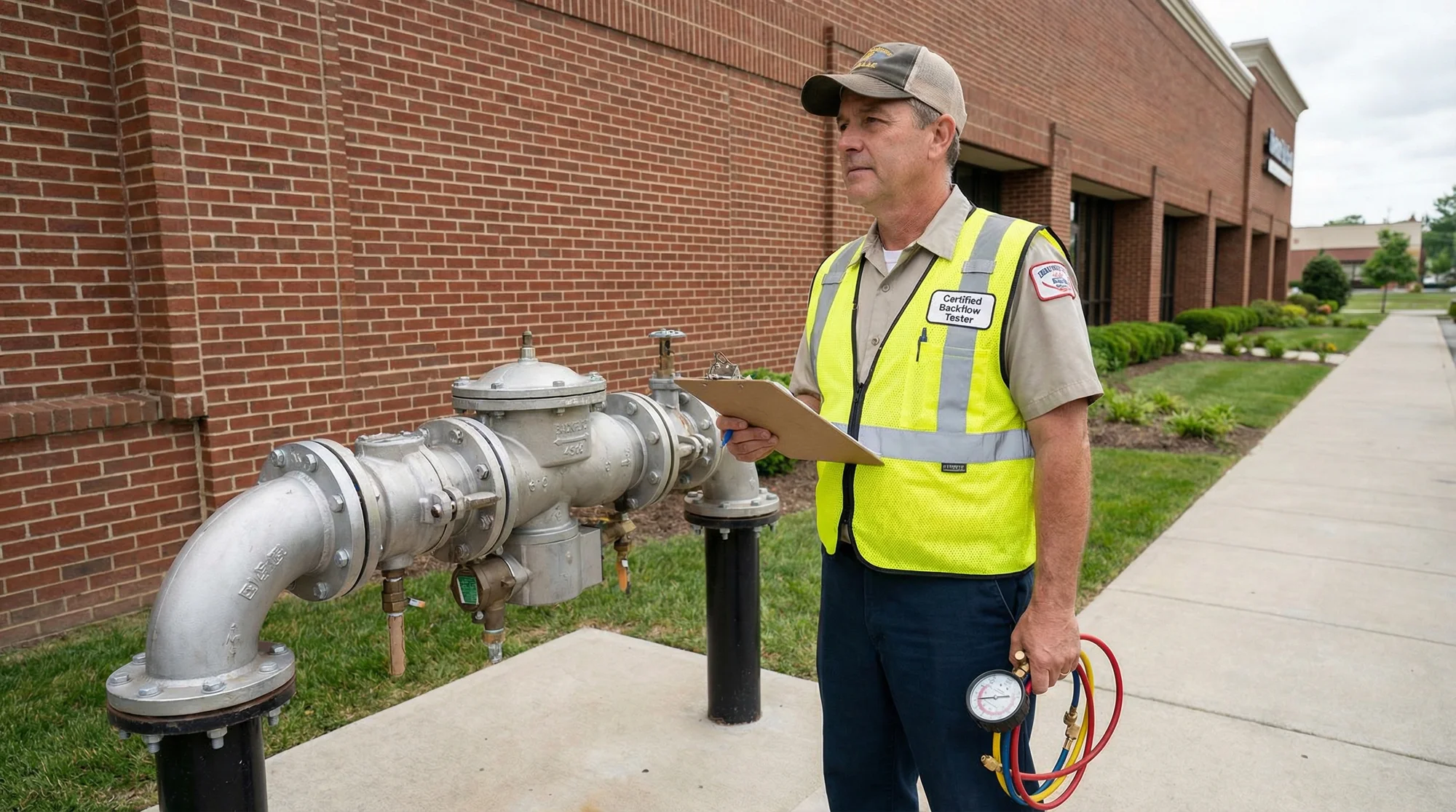
If you've received a notice from your water utility about an upcoming backflow test, you're not alone — and you don't need to stress about it. Backflow prevention devices are required on many residential and commercial properties to keep contaminated water from flowing backward into the public drinking water supply. Testing these devices is a routine part of maintaining safe water, and most tests take under 30 minutes when things go smoothly.
The key word there is when things go smoothly. A little preparation on your end can mean the difference between a quick, one-visit test and a frustrating callback that costs you extra time and money. Here's how to make sure your property is ready.
Why Backflow Testing Matters
Every year, water utilities across the country require property owners to have their backflow prevention assemblies tested by a certified professional. This isn't busywork — it's a public health requirement rooted in the Safe Drinking Water Act and enforced at the local level by utilities and state regulators.
Backflow incidents can introduce fertilizers, chemicals, sewage, or other hazardous substances into the drinking water supply. The CDC's guidance on drinking water prevention highlights cross-connection control as a critical layer of protection against waterborne contamination. Annual testing confirms that the mechanical valves inside your backflow preventer are still functioning correctly and keeping water flowing in the right direction.
If you're unsure why your utility requires this, our guide on why backflow testing is required breaks it down in plain language.
Most backflow tests are straightforward when the device is accessible, the paperwork is clear, and the tester can work without delays.
Step 1: Know Where Your Backflow Device Is
This sounds obvious, but it's the single most common reason for a wasted service visit. Many property owners — especially those who didn't install the device themselves — have no idea where it's located.
Common locations include:
- Near the water meter, often in a below-grade pit or vault
- Along an exterior wall, typically near the main water service entry point
- In a mechanical room or utility closet, especially in commercial buildings or multi-unit properties
- In a basement or crawl space, though less common for newer installations
If you've never seen your device, take a walk around the property and look for a brass or stainless steel assembly with test cocks (small ports with handles or set screws) and shutoff valves on either side. If your property has irrigation, fire suppression, or a boiler system, there may be more than one device.
Tip: If you have prior test reports, the tester's paperwork usually notes the device location, type, and serial number. Pull those records out — they'll save your tester time and help confirm nothing has changed.
Step 2: Clear Physical Access
Your tester needs to physically reach the device, open test cocks, attach a gauge, and manipulate shutoff valves. That means:
- Remove obstructions. Move trash cans, storage boxes, landscaping equipment, pallets, or anything else blocking the device or the path to it.
- Trim vegetation. Overgrown bushes, vines, or ground cover around an outdoor device can make testing difficult or impossible.
- Open vault lids. If your device is in a below-grade pit, make sure the lid can be removed. Rusted or buried lids are a common problem — check this a day or two before the appointment.
- Ensure adequate lighting. If the device is in a dark basement, utility room, or vault, make sure there's a working light source nearby.
A tester who can't safely access the device will have to reschedule, and you'll be back to square one — still out of compliance and now waiting for another opening on the schedule.
 Clearing access around the assembly helps the tester reach shutoff valves, connect gauges, and complete the test without a return visit.
Step 3: Make Sure Shutoff Valves and Test Cocks Work
Before the tester arrives, it's worth visually inspecting the shutoff valves on either side of the device. Don't force them — but check whether they appear operable. Valves that are corroded, seized, or leaking may need repair before a valid test can be performed.
Test cocks — the small ports the tester connects their gauge to — should be accessible and not painted over, capped with corrosion, or missing entirely. If something looks wrong, let the tester or a licensed plumber know before the appointment so they can plan accordingly.
Keep in mind: the tester will likely need to briefly shut off water to your property during the test. This interruption usually lasts only a few minutes, but plan around it — don't schedule the test during a time when water service is critical to your operations.
Step 4: Handle Logistics and Access
For the test to happen, the tester has to physically get to the device. That means thinking through a few practical details:
- Unlock gates, doors, and mechanical rooms. If the device is behind a locked fence, inside a building, or in a restricted area, make sure the tester can get in. Leave a key with someone on-site, arrange to meet them, or provide a gate code in advance.
- Control pets. If you have dogs in a yard where the device is located, secure them before the tester arrives. This is a safety and liability issue — most testers will not enter a yard with an unsecured animal.
- Have someone present. Especially for commercial properties, someone with authority to grant access should be available during the appointment window.
- Communicate special conditions. If your property has alarm systems, security protocols, or requires sign-in procedures, let your tester know ahead of time.
Programs like Austin Water's cross-connection control program and Charlotte Water's backflow and cross-connection program send reminders and track compliance — but it's on the property owner to make sure the test actually happens. If you're in those areas, our local pages for Austin, Texas and Charlotte, North Carolina can help you find a certified tester near you.
Step 5: Hire the Right Tester
Not just anyone can perform a backflow test. Only certified or state-approved testers using calibrated equipment should test your device. Most jurisdictions require the tester to hold a current certification and to submit test results directly to the water utility or state agency.
Some utilities — like the Philadelphia Water Department — have specific reporting portals and approved tester lists. Others delegate oversight to state environmental agencies, such as TCEQ in Texas or Pennsylvania's DEP Bureau of Safe Drinking Water. Exact requirements vary by utility and property hazard level, so it pays to check with your local program.
Our Austin Water backflow testing program page and resources like how utilities track backflow test compliance can help you understand what happens after the report is filed.
 Having prior reports, clear access instructions, and the right tester lined up makes the compliance side of the appointment much easier.
What Happens If the Test Fails?
A failed test doesn't mean you're in immediate trouble, but it does mean the device needs repair — usually by a licensed plumber — followed by a retest. Common failure reasons include worn rubber parts, debris in the check valves, or a relief valve that doesn't open at the correct pressure differential. Our article on common reasons backflow tests fail covers this in more detail.
After repairs, the same certified tester (or another approved one) will need to retest and submit passing results. Until a passing report is on file, your property remains out of compliance.
Missing access, failed tests, or incomplete paperwork can all require a return visit — and some utilities charge additional fees or escalate enforcement if compliance deadlines are missed.
Quick Preparation Checklist
Before your tester arrives, run through this list:
- Located the backflow device (or devices) on your property
- Cleared physical access — no obstructions, trimmed vegetation, open vault lids
- Checked that shutoff valves and test cocks appear functional
- Unlocked gates, doors, or mechanical rooms the tester will need to enter
- Secured pets away from the testing area
- Arranged for someone to be present during the appointment
- Pulled out any prior test reports or device records
- Confirmed your tester is certified and knows your utility's reporting requirements
Final Thought
Preparing for a backflow test is straightforward — it just takes a few minutes of attention before the appointment. The tester handles the technical work; your job is to make sure they can get to the device, do their job safely, and submit passing results on time. A little preparation now saves you from callbacks, compliance headaches, and the hassle of a second visit.
Need to find a certified tester in your area? Start with local listings such as Austin, Texas, Charlotte, North Carolina, or browse our FAQs for more common backflow questions.
Sources
This article references guidance and regulations from authoritative sources including:
- U.S. Environmental Protection Agency (EPA) - Safe Drinking Water Act overview
- Centers for Disease Control and Prevention (CDC) - Preventing drinking water-related illnesses
- American Water Works Association (AWWA) - Cross-Connection Control and Backflow Prevention resources
- Austin Water - Cross-Connection Control program page
- Charlotte Water - Backflow and cross-connection program page
- Philadelphia Water Department - Backflow prevention program page
- Texas Commission on Environmental Quality (TCEQ) - Backflow prevention information
- Pennsylvania Department of Environmental Protection - Bureau of Safe Drinking Water
Last updated: April 6, 2026