The Hidden Dangers Lurking in Your Water Supply: Backflow Risks
The Hidden Dangers Lurking in Your Water Supply
Water contamination through backflow is a serious public health risk that affects millions of properties across the United States. While most people assume their water supply is always safe, the reality is that without proper backflow prevention and regular testing, contaminated water can flow backward into the clean water supply, creating potentially life-threatening situations.
What Is Backflow and Why Should You Care?
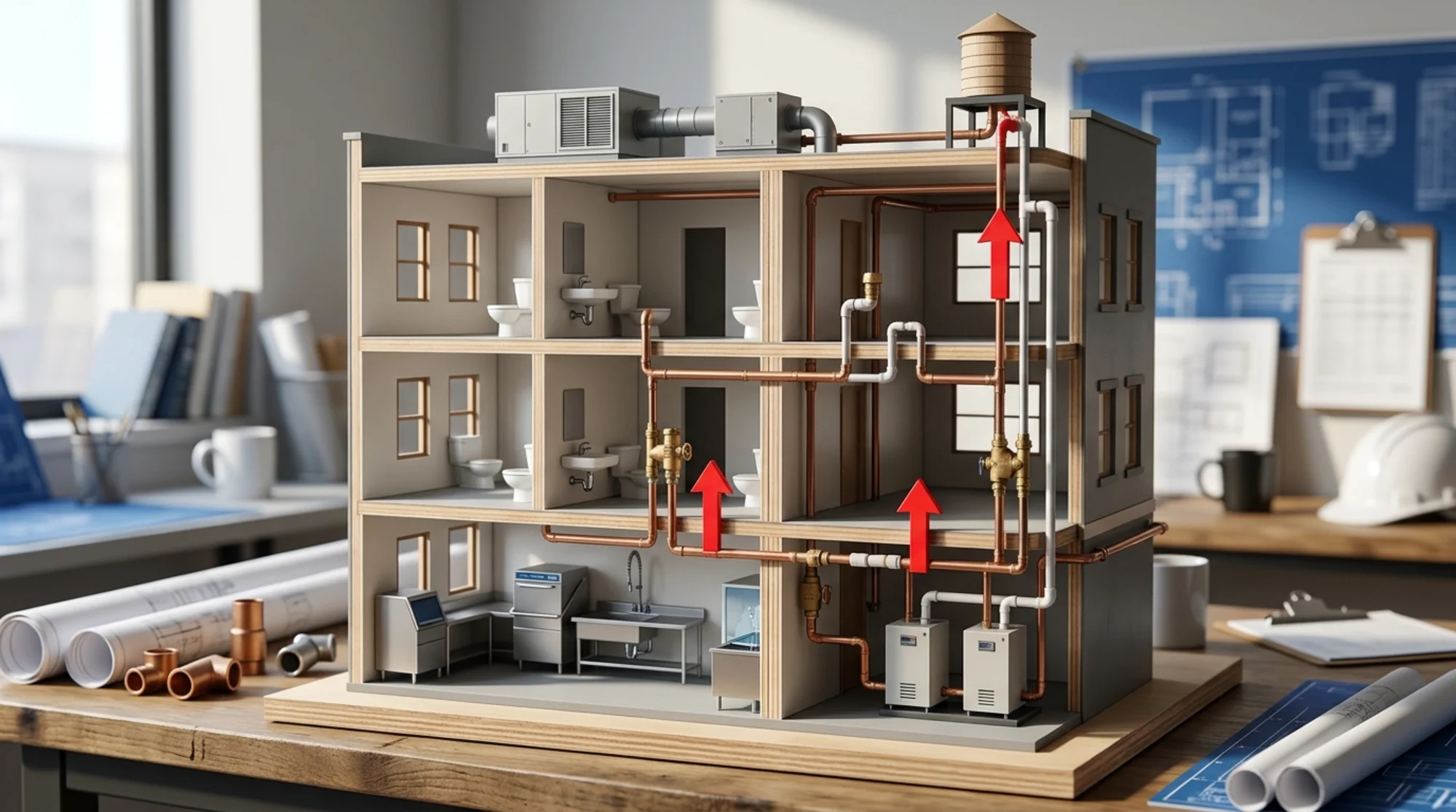
Backflow occurs when water flows in the opposite direction from its intended path, allowing contaminants to enter the potable water supply. This reversal can happen due to two main causes:
- Backpressure: When downstream pressure exceeds supply pressure
- Backsiphonage: When negative pressure creates a vacuum effect
The consequences of backflow contamination range from mild stomach discomfort to severe illness and even death. Understanding these risks is crucial for property owners, facility managers, and anyone responsible for maintaining safe water systems.
!(/blog-images/hidden-dangers-water-supply-backflow-contamination-risks-1.webp)
Common Sources of Water Contamination Through Backflow
Industrial and Commercial Hazards
Manufacturing facilities, hospitals, and laboratories pose significant contamination risks due to:
- Chemical storage areas connected to water systems
- Medical equipment using specialized fluids
- Industrial processes involving toxic substances
- Cooling systems containing antifreeze or rust inhibitors
Residential Contamination Sources
Even homes can harbor dangerous backflow risks:
- Lawn irrigation systems containing fertilizers and pesticides
- Swimming pools and hot tubs with chlorine and other chemicals
- Boiler systems with corrosion inhibitors
- Garden hoses submerged in contaminated water
Agricultural Threats
Farms and agricultural operations present unique challenges:
- Livestock watering systems contaminated with bacteria
- Fertilizer injection systems containing nitrogen compounds
- Pesticide mixing areas near water connections
- Dairy operations with cleaning chemicals
Real-World Contamination Incidents That Changed Everything
The Corpus Christi Incident (2023)
A major backflow incident at an industrial facility contaminated the water supply for over 30,000 residents. The contamination occurred when a chemical plant's fire suppression system created backpressure, pushing industrial solvents into the municipal water system. This incident resulted in:
- 3-day boil water advisory
- 17 hospitalizations
- $4.2 million in emergency response costs
- Stricter state-wide backflow prevention requirements
Healthcare Facility Near-Miss (2024)
A routine backflow test at a major hospital revealed that dialysis fluids were within seconds of contaminating the entire facility's water supply. Only the properly functioning backflow preventer saved hundreds of patients from potential exposure to dangerous medical waste.
Types of Contaminants and Their Health Effects
Biological Contaminants
Bacteria and Viruses
- E. coli, Legionella, and Hepatitis A
- Symptoms: Severe gastrointestinal illness, respiratory infections
- Risk level: High - Can be fatal for immunocompromised individuals
Parasites
- Giardia and Cryptosporidium
- Symptoms: Prolonged diarrhea, dehydration
- Risk level: Moderate to High - Particularly dangerous for children
Chemical Contaminants
Industrial Chemicals
- Solvents, heavy metals, petroleum products
- Effects: Cancer, organ damage, neurological disorders
- Risk level: Severe - Often irreversible health impacts
Agricultural Chemicals
- Pesticides, herbicides, fertilizers
- Effects: Endocrine disruption, developmental issues
- Risk level: High - Especially dangerous for pregnant women and children
! (/blog-images/hidden-dangers-water-supply-backflow-contamination-risks-2.webp)
Physical Contaminants
Sediments and Particles
- Rust, scale, debris
- Effects: Primarily aesthetic but can harbor bacteria
- Risk level: Low to Moderate - May indicate system failures
Understanding Cross-Connection Control Programs
Effective cross-connection control programs are essential for preventing backflow contamination. These programs typically include:
Program Components
System Survey and Inventory
- Identify all cross-connections
- Assess hazard levels
- Document findings
Risk Assessment
- Categorize hazards (high, moderate, low)
- Prioritize installation requirements
- Determine testing frequencies
Device Selection and Installation
- Match devices to hazard levels
- Ensure proper installation
- Verify compliance with local codes
Testing and Maintenance Schedule
- Annual testing for high-hazard connections
- Regular maintenance protocols
- Record keeping requirements
Backflow Prevention Device Types and Applications
Reduced Pressure Zone (RPZ) Assemblies
Best for: High-hazard applications Protection level: Maximum protection against both backpressure and backsiphonage Common uses:
- Chemical facilities
- Medical buildings
- Car washes
- Laboratories
Double Check Valve Assemblies (DCVA)
Best for: Low to moderate hazard applications Protection level: Good protection for non-health hazards Common uses:
- Fire sprinkler systems
- Lawn irrigation
- Non-toxic cooling systems
Pressure Vacuum Breakers (PVB)
Best for: Irrigation systems without backpressure Protection level: Backsiphonage only Common uses:
- Residential irrigation
- Laboratory sinks
- Outdoor faucets
The Critical Role of Certified Backflow Testers
Professional backflow testing isn't just recommended—it's often legally required. Certified testers provide:
Expertise and Compliance
- Proper testing procedures following AWWA standards
- Accurate documentation for regulatory compliance
- Hazard identification beyond the obvious
- Repair capabilities when devices fail
Testing Frequency Requirements
Different jurisdictions have varying requirements, but typical schedules include:
- High-hazard facilities: Quarterly to semi-annual testing
- Moderate-hazard locations: Annual testing
- Low-hazard connections: Annual to biennial testing
! (/blog-images/hidden-dangers-water-supply-backflow-contamination-risks-3.webp)
Warning Signs of Potential Backflow Issues
Property owners should watch for these indicators:
Visual Clues
- Discolored water (brown, yellow, or cloudy)
- Unusual odors from taps
- Visible particles in water
- Staining on fixtures or laundry
System Indicators
- Pressure fluctuations at faucets
- Water hammer or banging pipes
- Slow drainage in multiple fixtures
- Unexplained water meter readings
Health Symptoms
- Gastrointestinal issues among building occupants
- Skin irritation after bathing
- Respiratory problems without other causes
- Multiple people experiencing similar symptoms
Protecting Your Property and Health
Immediate Actions
- Locate and test all backflow preventers on your property
- Schedule professional testing if overdue
- Document all cross-connections in your facility
- Create an emergency response plan for contamination events
Long-term Strategies
Implement a Comprehensive Program
- Develop written policies and procedures
- Train staff on contamination risks
- Establish regular inspection schedules
- Maintain detailed records
Invest in Quality Equipment
- Choose appropriate devices for each hazard level
- Install only approved, tested assemblies
- Consider redundant protection for critical areas
- Budget for regular maintenance and replacement
Working with Professionals
Questions to Ask Potential Testers
- Are you certified in our jurisdiction?
- How long have you been testing backflow preventers?
- Can you provide references from similar facilities?
- What's included in your testing service?
- Do you offer repair services if devices fail?
Future Trends in Backflow Prevention
The industry continues to evolve with new technologies and approaches:
Smart Monitoring Systems
- Real-time pressure monitoring
- Automatic alerts for pressure reversals
- Cloud-based record keeping
- Predictive maintenance capabilities
Enhanced Testing Methods
- Digital test equipment with automatic calibration
- Mobile apps for instant reporting
- GPS location tracking for device management
- Integrated compliance databases
Taking Action: Your Next Steps
Understanding water contamination risks through backflow is just the beginning. To protect your property and the people who depend on your water supply:
- Conduct a thorough assessment of your property's cross-connections
- Hire a certified backflow tester to evaluate your current protection
- Develop a testing and maintenance schedule appropriate for your hazard level
- Stay informed about local regulations and industry best practices
- Invest in proper protection before contamination occurs
Water contamination through backflow is a preventable public health crisis. By understanding the risks, implementing proper prevention measures, and maintaining regular testing schedules, you can ensure your water supply remains safe and compliant with regulations. Don't wait for a contamination event to take action—the health and safety of everyone who uses your water system depends on proactive prevention and professional testing.
Remember, backflow prevention isn't just about compliance—it's about protecting lives. Whether you manage a large industrial facility or own a small business, your commitment to proper backflow prevention makes our entire water supply safer for everyone.