Backflow Prevention in Multi-Unit Buildings: Complete Guide 2024
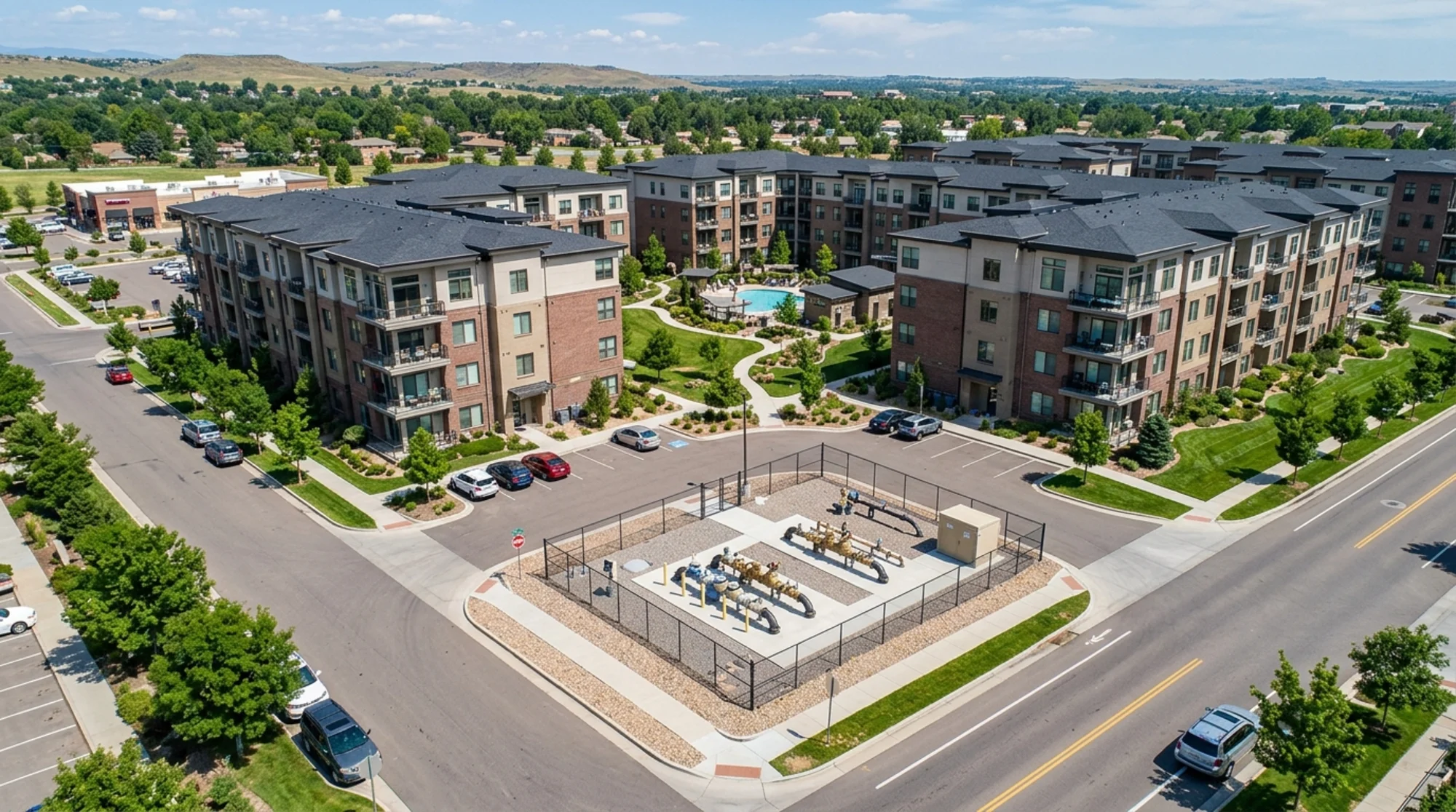
Understanding Backflow Prevention in Multi-Unit Residential Buildings
Multi-unit residential buildings face unique challenges when it comes to water safety and backflow prevention. Whether you're managing an apartment complex, condominium, or townhouse community, understanding the intricacies of backflow prevention is crucial for protecting residents' health and maintaining regulatory compliance.
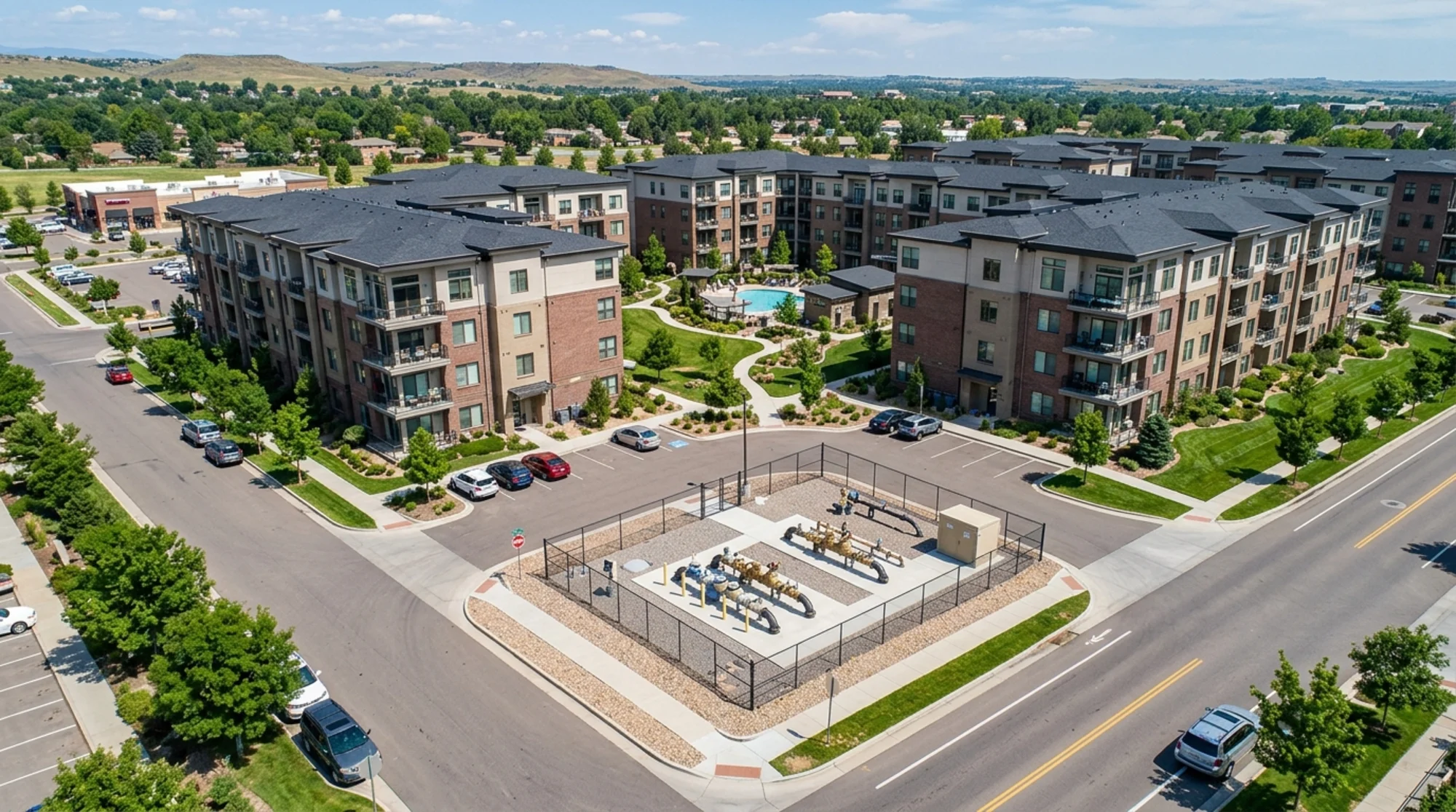
The Critical Importance of Backflow Prevention in Multi-Unit Properties
In multi-unit residential buildings, the risk of backflow contamination multiplies with each additional unit. Unlike single-family homes, these properties feature complex plumbing systems where cross-connections between units can create numerous potential contamination points. A backflow incident in one unit can potentially affect dozens or even hundreds of residents, making prevention systems absolutely essential.
Common Backflow Risks in Multi-Unit Buildings
Multi-unit residential properties face several distinct backflow risks:
- Boiler systems supplying heat to multiple units
- Fire suppression systems containing stagnant water and chemicals
- Irrigation systems for landscaping and common areas
- Swimming pools and spa facilities
- Car wash stations in parking areas
- HVAC cooling towers on rooftops
- Individual unit connections where residents may create unauthorized cross-connections
Types of Backflow Prevention Devices for Multi-Unit Properties
Reduced Pressure Zone (RPZ) Assemblies
RPZ assemblies provide the highest level of protection and are typically required for high-hazard applications in multi-unit buildings. These devices are commonly installed:
- At the main water service entrance
- Before boiler feed lines
- On irrigation system connections
- At fire suppression system connections
Double Check Valve Assemblies (DCVA)
DCVAs offer reliable protection for moderate hazard situations and are often used for:
- Individual unit connections
- Landscape irrigation without chemical injection
- Decorative water features
- Some fire sprinkler systems (where approved)
Pressure Vacuum Breakers (PVB)
PVBs are cost-effective solutions suitable for:
- Irrigation systems without chemical additives
- Outdoor hose connections
- Certain rooftop equipment connections
Installation Requirements and Best Practices
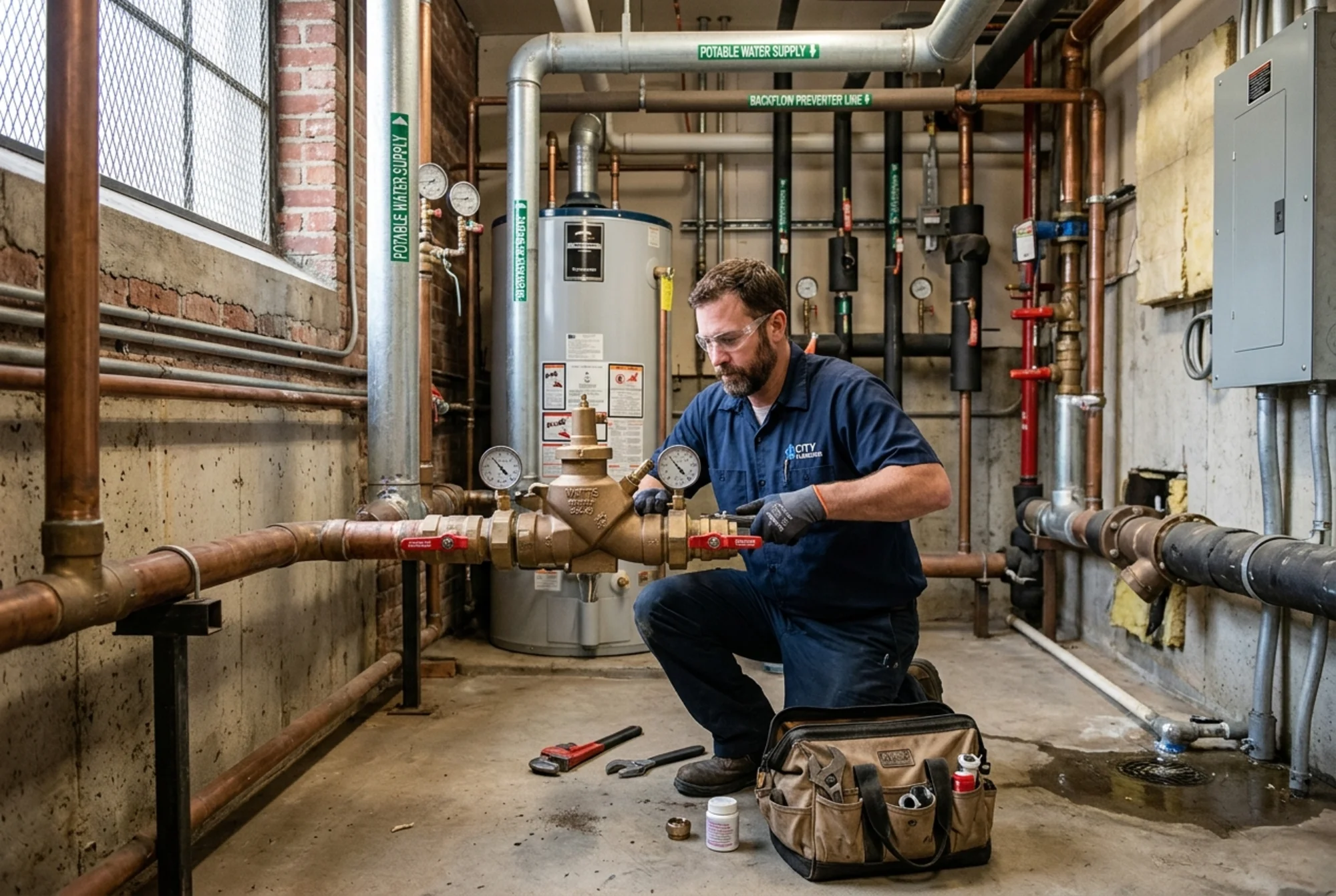
Strategic Device Placement
Proper placement of backflow prevention devices in multi-unit buildings requires careful planning:
Main Building Entry Points
- Install primary protection at the water meter or main service line
- Ensure adequate clearance for testing and maintenance
- Provide proper drainage for discharge ports
Individual Unit Considerations
- Assess each unit's specific cross-connection risks
- Install appropriate devices based on hazard level
- Maintain accessibility for annual testing
Common Area Protection
- Prioritize high-risk areas like mechanical rooms
- Protect all outdoor water connections
- Install devices on all irrigation zones
Installation Standards
Following proper installation standards ensures optimal device performance:
- Maintain proper clearances - minimum 12 inches from floor/walls
- Install at correct height - typically 12-60 inches above grade
- Ensure proper support - devices must be adequately braced
- Provide freeze protection - install in heated spaces when possible
- Include isolation valves - for easier maintenance and testing
Testing and Maintenance Protocols
Annual Testing Requirements
Most jurisdictions require annual testing of all backflow prevention devices in multi-unit residential buildings. Property managers should:
- Schedule testing during off-peak hours to minimize resident disruption
- Hire certified testers licensed in your jurisdiction
- Maintain detailed records of all test results
- Address failures immediately to maintain compliance
Comprehensive Testing Programs
Successful testing programs for multi-unit buildings include:
Pre-Testing Preparation
- Notify residents 48-72 hours in advance
- Coordinate access to all areas
- Prepare backup water supply if needed
- Schedule make-up dates for missed units
Testing Day Procedures
- Start with common area devices
- Move systematically through units
- Document all findings thoroughly
- Flag any immediate hazards
Post-Testing Actions
- Submit reports to water authorities
- Schedule repairs for failed devices
- Update property maintenance logs
- Plan for next year's testing
Regulatory Compliance and Legal Responsibilities
Understanding Local Codes
Building owners and property managers must understand their local regulations:
- Water authority requirements vary by jurisdiction
- State plumbing codes may mandate specific device types
- Local amendments often add additional requirements
- Federal guidelines provide baseline standards
Property Owner Obligations
Multi-unit property owners typically bear responsibility for:
- Installing required backflow prevention devices
- Maintaining devices in working order
- Scheduling annual testing
- Submitting test reports to authorities
- Correcting violations within specified timeframes
- Maintaining accurate records
Liability Considerations
Failure to maintain proper backflow prevention can result in:
- Civil penalties ranging from hundreds to thousands of dollars
- Water service disconnection for non-compliance
- Legal liability if contamination affects residents
- Insurance complications for preventable incidents

Cost Management Strategies
Budgeting for Backflow Prevention
Multi-unit properties should budget for:
Initial Installation Costs
- Device purchase prices ($300-$3,000+ per device)
- Professional installation fees
- Permit and inspection costs
- System modifications if needed
Ongoing Expenses
- Annual testing fees ($75-$200 per device)
- Routine maintenance costs
- Repair and replacement reserves
- Administrative overhead
Cost-Saving Opportunities
Property managers can reduce costs through:
- Bulk testing contracts for multiple devices
- Preventive maintenance programs to extend device life
- Group purchasing arrangements with other properties
- Energy-efficient installations that qualify for rebates
Resident Communication and Education
Effective Communication Strategies
Keeping residents informed helps ensure cooperation:
Regular Updates
- Include backflow prevention in welcome packets
- Send annual testing reminders
- Post notices in common areas
- Use digital communication platforms
Educational Content
- Explain what backflow prevention means
- Highlight health protection benefits
- Clarify resident responsibilities
- Address common concerns
Handling Resident Concerns
Common questions and effective responses:
- "Why is testing necessary?" - Explain health risks and legal requirements
- "Will I lose water service?" - Clarify brief interruption details
- "Can I refuse access?" - Discuss lease obligations and safety importance
- "Who pays for repairs?" - Reference lease terms and local regulations
Emerging Trends and Future Considerations
Smart Technology Integration
The backflow prevention industry is evolving with:
- IoT-enabled devices providing real-time monitoring
- Automated testing systems reducing manual inspection needs
- Cloud-based compliance tracking streamlining record-keeping
- Predictive maintenance algorithms preventing failures
Sustainability Initiatives
Forward-thinking properties are implementing:
- Water conservation measures alongside backflow prevention
- Green infrastructure integration
- Sustainable device materials
- Reduced water waste during testing
Creating Your Property's Backflow Prevention Plan
Step-by-Step Implementation
- Conduct a comprehensive survey of all cross-connections
- Hire a certified professional to assess hazard levels
- Develop a device inventory with locations and specifications
- Create a testing schedule that minimizes disruption
- Establish a record-keeping system for compliance
- Train maintenance staff on basic device recognition
- Budget for all associated costs including emergencies
- Review and update annually based on changes
Key Success Factors
Successful backflow prevention programs share these characteristics:
- Strong leadership commitment from property management
- Clear communication channels with all stakeholders
- Adequate funding for installation and maintenance
- Professional partnerships with certified testers
- Proactive approach to compliance and safety
Conclusion
Backflow prevention in multi-unit residential buildings requires careful planning, consistent execution, and ongoing commitment. By understanding the unique challenges these properties face, implementing appropriate prevention devices, maintaining rigorous testing schedules, and fostering resident cooperation, property managers can protect their communities' water supply while maintaining full regulatory compliance.
The investment in proper backflow prevention pays dividends through reduced liability, improved resident satisfaction, and the peace of mind that comes from knowing your property's water supply is protected. As regulations continue to evolve and technology advances, staying informed and proactive will ensure your multi-unit property remains at the forefront of water safety standards.
Remember, effective backflow prevention isn't just about compliance—it's about protecting the health and well-being of every resident who calls your property home. Start developing or reviewing your backflow prevention program today to ensure your multi-unit residential building meets the highest standards of water safety.